
Drywall Repair in Lisle, IL
Patching holes, cracks, and damaged sections cleanly.
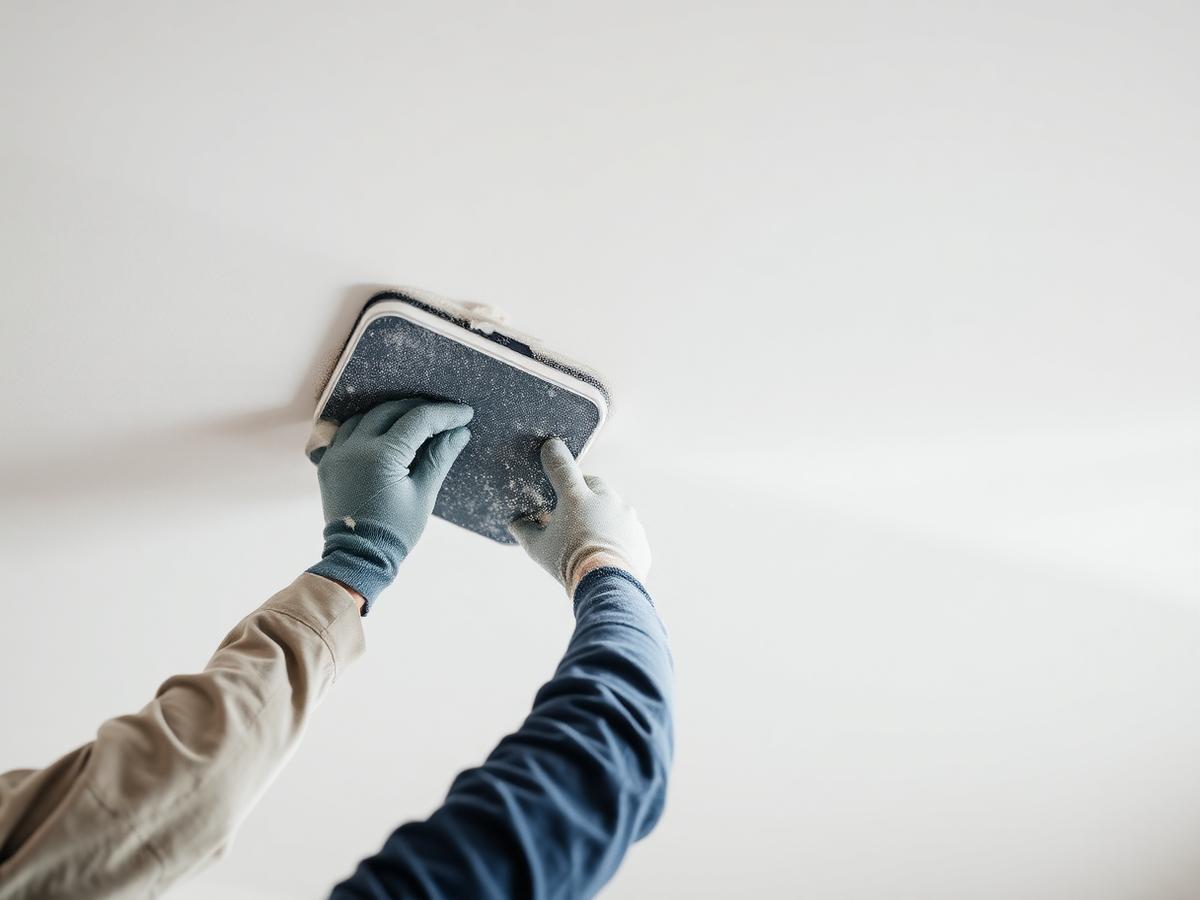
Water damaged drywall repair for Lisle homes near the East Branch DuPage River, in Green Trails and Four Lakes basements, and older Old Town Lisle houses with plumbing and roof leaks.
Free Estimate
Request a drywall repair or installation quote
Share a few details and we'll follow up within one business day.
Lisle's geography and building stock create a few consistent water damage patterns. Homes closer to the East Branch DuPage River and its tributaries can see basement moisture intrusion after heavy spring rain events, especially in older Old Town Lisle properties without modern sump systems or with grading that has settled over the decades. That moisture wicks into drywall from the bottom up and softens the gypsum core well before it becomes visible as a stain.
In Green Trails, Four Lakes, and Beau Bien, the more common source is internal - a supply line failure, a water heater leak, an ice dam backing water up under roof shingles during a heavy Chicago-area snow, or a second-floor bathroom overflow that soaks the ceiling and wall below. Those events are sudden and usually caught quickly, which limits the damage if the drywall is dealt with fast.
Condo and townhome units near Dunham Woods and along the Route 53 corridor sometimes deal with water damage originating from a neighboring unit rather than their own plumbing, which adds an insurance and association coordination layer on top of the physical repair.
Drywall's gypsum core is essentially compressed paper and mineral, and once it absorbs water it loses structural integrity even if it eventually dries and looks fine from the front. A ceiling or wall section that has been saturated will sag, crumble at the edges, or simply fail to hold paint properly going forward, and drying it in place does not restore the board's original strength.
More importantly, the paper facing on wet drywall is an ideal surface for mold growth within 24 to 48 hours in the right humidity and temperature range, which is common in a closed-up Lisle basement or wall cavity during summer. Cutting out the affected section lets the wall cavity and any wet insulation dry properly and lets us verify there is no hidden mold before closing the wall back up.
We do keep sound, dry drywall in place around the damaged area rather than over-demolishing a room, and we always check moisture content with a meter at the repair boundary before we install new board, so the patch is not screwed into still-damp material.
Most Lisle homeowners dealing with water damaged drywall are also working with an insurance adjuster, and documentation matters for how smoothly that claim moves. We photograph the damage before any demolition, note moisture meter readings, and provide an itemized scope of the drywall removal and replacement work that adjusters and contractors can reference consistently.
We work directly with homeowners rather than acting as a public adjuster, but our written scope and photos are formatted the way most insurance carriers expect a contractor estimate to look, which speeds up approval.
If mold is visible or suspected beyond a small, easily remediated area, we recommend bringing in a certified mold remediation specialist before drywall replacement begins, and we coordinate scheduling around that work rather than closing up a wall over an unresolved mold issue.
Once damaged drywall is removed and the cavity is confirmed dry, we rebuild with materials chosen for the specific location. Basement walls near grade in Green Trails and Four Lakes homes get moisture-resistant board, particularly on foundation-adjacent walls where the East Branch DuPage River's water table can keep soil damp longer than surrounding areas.
Ceilings below bathrooms or kitchens that flooded once get moisture-resistant board on the rebuild even if the original ceiling was standard board, since a location that has already leaked once is statistically more likely to leak again.
We match existing texture and finish level on the rebuilt section the same way we do on any other repair, spraying a sample board first so the finished wall or ceiling reads as one continuous surface rather than an obvious patch.
Water damage calls get priority scheduling in Lisle because delay increases both the physical damage and mold risk. We aim to get on site quickly to assess, document, and begin drywall removal so the space can dry properly before any rebuilding starts.
The full process - removal, drying confirmation, rebuild, and finish - typically spans one to two weeks depending on the extent of the damage and how many rooms are affected, with drying time being the main variable outside our control.
Hours are 8am to 7pm, seven days a week. For active or recent water damage in Lisle, the online estimate form is the fastest way to get a response and get someone on site.
We inspect the damage, take moisture readings, and photograph the affected area before any demolition begins.
Water-softened board is fully cut out to a dry boundary rather than left in place to dry, reducing mold risk.
We verify moisture levels in framing and insulation before closing the wall or ceiling back up.
Moisture-resistant board is used where appropriate, and the section is taped, coated, and finished to match.
Texture and paint sheen are matched on a sample board, then the site is cleaned and debris hauled away.
Lisle mixes a small downtown near the Metra station with 1970s-90s subdivisions like Green Trails and Beau Bien, the large Four Lakes condominium community, and one of DuPage County's densest corporate office corridors along Warrenville Road and Corporate Lane. That corporate base makes commercial tenant work a bigger share of our Lisle volume than in most nearby villages.
Multi-story Four Lakes buildings concentrate water damage - a single upstairs supply-line failure can affect three units - while DuPage heating-season dryness opens joints in the single-family subdivisions each winter.
For the full picture of everything our crews handle locally, see our drywall contractor page for Lisle, IL, or read the statewide detail on water-damaged drywall repair across Illinois.
No. Once drywall has been saturated it loses structural integrity and becomes a mold risk, so we remove and replace it rather than drying it in place.
Water damage gets priority scheduling since delay increases both damage and mold risk. We aim to assess and begin removal quickly, often within a day or two.
We provide photo documentation, moisture readings, and an itemized scope formatted the way most carriers expect, though we work directly for you rather than as a public adjuster.
Yes, ice dam backups causing ceiling and wall damage are a regular winter call for us across Lisle's subdivisions.
For anything beyond a small, easily handled area, we recommend a certified mold remediation specialist first and coordinate our rebuild schedule around that work.
Yes, we specify moisture-resistant board on foundation-adjacent walls in that area given the higher water table and recurring moisture exposure.
Typically one to two weeks from removal through rebuild and finish, with drying time being the main variable depending on the extent of the damage.
Yes, including cases where the damage originates from a neighboring unit, and we coordinate with property management and association contacts as needed.
Patching holes, cracks, and damaged sections cleanly.
New drywall for additions, remodels, and new construction.
Ceiling patches, sags, and water-damaged areas.
Turning basements into finished, livable rooms.
Smooth, paint-ready walls and ceilings.
Sheetrock is the brand-name gypsum board most Illinois homes are built with. We repair, patch, and install it.