
Drywall Repair in Naperville, IL
Patching holes, cracks, and damaged sections cleanly.
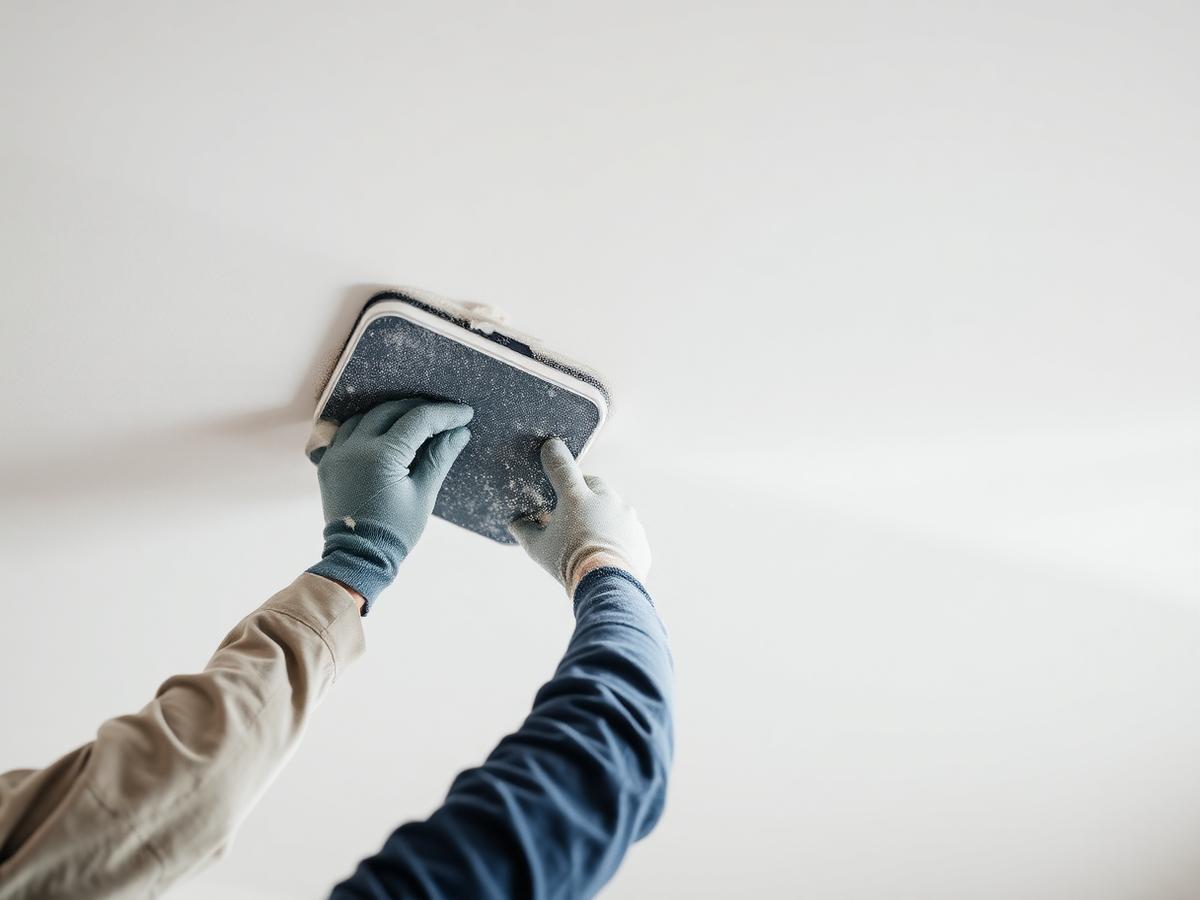
Cut-out, dry-out coordination, and rebuild for water-damaged walls and ceilings across Naperville's 60540, 60563, 60564, and 60565 ZIPs.
Free Estimate
Request a drywall repair or installation quote
Share a few details and we'll follow up within one business day.
Naperville sees two dominant sources of water-damaged drywall, and they map closely to the season. In winter and early spring, ice dams along roof eaves - common on the steeper rooflines in White Eagle, Ashwood Park, and Stillwater - back meltwater up under the shingles and it works its way down into the attic and through the ceiling assembly below. That damage often shows up as a brownish stain weeks after the actual dam formed, well after the ice has melted.
The rest of the year, the calls are supply-line and appliance failures: a second-floor bathroom supply line or shower pan failure that drips into a first-floor ceiling, a washing machine hose failure in a Cress Creek or Hobson West laundry room, or a sump pump or window-well failure that soaks basement drywall in White Eagle and Tall Grass finished basements. Basement water damage is particularly common near foundation walls after a heavy Will County or DuPage County rain event overwhelms drainage.
In every case, the drywall itself is only part of the job. Wet insulation, soaked subfloor, and framing that needs to dry before anything gets closed back up all have to be addressed, and we coordinate with restoration or plumbing trades when the source of the water is still active.
Drywall's paper facing and gypsum core lose structural integrity once saturated, even after they appear dry. Paper facing that has been wet is a mold substrate risk regardless of how the wall looks once it dries, which is why we cut back to sound, dry material rather than drying a soaked section in place and painting over the stain. That standard applies whether the damage is a ceiling stain from an ice dam or a soaked basement wall from a sump failure.
For ceiling damage specifically, we check for sagging or softness across the full stained area, since water travels along framing members and often affects more board than the visible stain suggests. Cutting only the discolored section and leaving softened board just outside that line is one of the most common mistakes in a DIY or rushed repair, and it leads to a second failure months later.
Basement drywall near Naperville's clay-heavy DuPage County soils gets extra scrutiny, since a wet basement wall is sometimes a symptom of a grading or drainage issue rather than a one-time event. We will tell you plainly if we think the water source needs a broader fix before we close the wall back up.
Once damaged board is removed and the area is confirmed dry, we rebuild with board matched to its location. Basement walls near slab level get moisture-resistant or paperless board so a future minor moisture event doesn't repeat the same failure. Ceiling areas below a bathroom or attic get standard board unless the location calls for a fire-rated or moisture-resistant assembly specifically.
Texture and finish matching on a water-damage rebuild works the same as any other repair: we sample the existing texture, whether that's the light orange peel common in White Eagle and Stillwater or the heavier stipple in older Cress Creek and Hobson West ceilings, and test it before spraying the repaired section.
We always recommend a stain-blocking primer on any area that had active water contact, even after the board itself is replaced, because tannins and residue in surrounding framing can bleed through ordinary primer and paint within a few months if left untreated.
Small water-damage repairs - a single ceiling stain patch, a small section of basement wall - are priced against a half-day minimum, consistent with our other repair work, since the coat-and-dry cycle requires the same number of return visits regardless of size. Larger jobs, like a full basement wall section after a sump failure or an entire ceiling plane after a slow ice-dam leak, price by square footage, board type, and finish level.
Because water damage often overlaps with insurance claims, we provide a detailed itemized estimate that separates the drywall scope from mitigation, painting, and any flooring or trim work, which makes it easier to submit alongside a restoration company's report if you're filing a claim.
Every estimate is free, with no trip charge across Naperville or the surrounding Aurora, Wheaton, Lisle, and Woodridge service area.
Water damage repairs move faster than routine repair calls when the source has been resolved, typically next-day or same-week, since leaving damaged board in place invites mold growth. If the source is still active - an ongoing roof leak or a plumbing issue not yet fixed - we'll be honest that the drywall work needs to wait until that's resolved so we aren't repairing the same spot twice.
For Route 59 and I-88 corridor office and retail tenants, water losses from roof leaks or overhead plumbing get scheduled with the same urgency, often after hours to avoid disrupting business operations, and we coordinate directly with property managers and restoration contractors already on site.
Hours are 8am to 7pm, seven days a week, and calling (630) 423-3624 connects you with someone who can assess urgency and get a crew scheduled directly.
We check beyond the visible stain, since water travels along framing and often affects more board than what's discolored.
We coordinate with plumbers or restoration crews to confirm the leak or ice dam is fixed before closing anything back up.
All compromised drywall is removed to a clean, dry edge rather than dried and painted over in place.
Moisture-resistant or standard board is selected based on the wall's location and future exposure risk.
The rebuilt section is taped, coated, textured to match, and primed with a stain-blocking primer.
Naperville's residential base ranges from 1970s Hobson West and Cress Creek homes to newer construction in White Eagle, Ashwood Park, Tall Grass, and Stillwater, plus dense townhome and condo communities near downtown. The commercial base spans the Route 59 retail corridor, the I-88 office park cluster, and the medical district around Edward Hospital. ZIP 60564 anchors the south side, with our crews also working 60565, 60563, 60540, and 60566.
Northern Illinois freeze-thaw cycles, heating-season low humidity, and heavy summer HVAC loads all stress drywall assemblies - basement walls and second-floor ceilings both crack seasonally, generating steady repair-and-repaint work across White Eagle, Tall Grass, and the downtown core.
For the full picture of everything our crews handle locally, see our drywall contractor page for Naperville, IL, or read the statewide detail on water-damaged drywall repair across Illinois.
It needs to be cut out. Saturated drywall loses structural integrity and becomes a mold risk even after it looks dry, so we remove back to sound material rather than drying it in place.
Timing and location are the clues - ice dam staining typically appears near the roof eaves after a heavy snow and shows up days or weeks later. We can help identify the pattern, though a roofer may need to confirm the exact ice dam location.
Yes, we provide detailed itemized estimates that separate drywall repair from mitigation and other scopes, which makes them easier to submit alongside a restoration company's report.
It can be either. We'll assess the damaged drywall, but if the water points to a grading or foundation drainage issue common in DuPage County's clay soils, we'll tell you honestly that needs to be addressed too.
Once the source is resolved, repairs typically happen next-day or same-week, since leaving damaged board in place risks mold growth. We work 8am to 7pm, seven days a week.
Not if we replace the affected board and apply a stain-blocking primer, which we do as standard practice on any area with prior water contact.
Yes, including after-hours scheduling and coordination with property managers and restoration contractors already working the loss.
Moisture-resistant or paperless board at slab-level and foundation walls, so a future minor moisture event is less likely to cause the same failure again.
Patching holes, cracks, and damaged sections cleanly.
New drywall for additions, remodels, and new construction.
Ceiling patches, sags, and water-damaged areas.
Turning basements into finished, livable rooms.
Smooth, paint-ready walls and ceilings.
Sheetrock is the brand-name gypsum board most Illinois homes are built with. We repair, patch, and install it.