
Drywall Repair in Oswego, IL
Patching holes, cracks, and damaged sections cleanly.
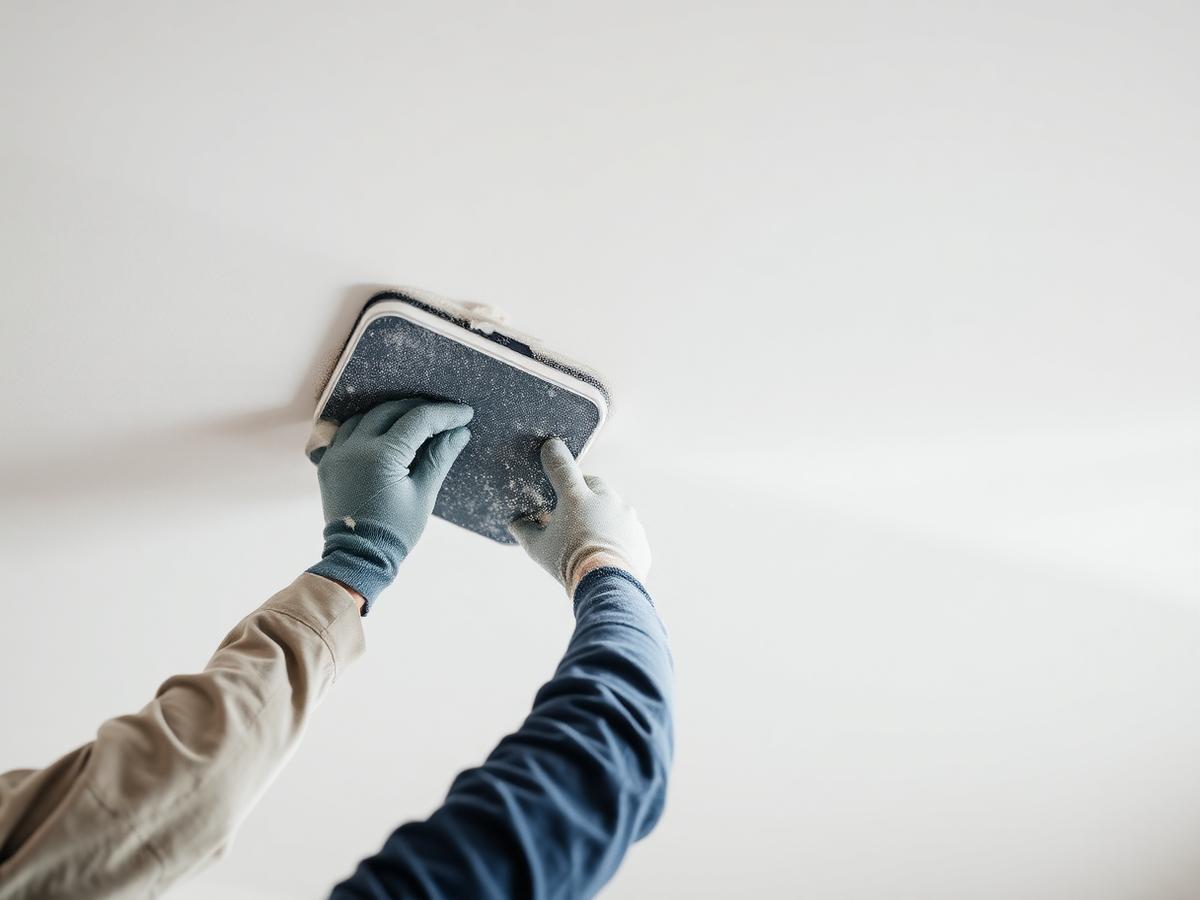
Water damaged drywall repair across Oswego's 60543 ZIP, from Fox River corridor roof leaks to Churchill Club basement moisture and Boulder Hill ice-dam ceiling damage.
Free Estimate
Request a drywall repair or installation quote
Share a few details and we'll follow up within one business day.
Water finds its way into Oswego drywall through a handful of predictable paths depending on where you live. Downtown Oswego and older neighborhoods near the Fox River see roof leaks, aging flashing, and occasional overland flooding during heavy spring rain events that soak lower-level walls. Boulder Hill's older ranch homes are prone to ice-dam backups along roof eaves in winter, which drive water into ceiling cavities along exterior walls.
In Churchill Club, Prairie Point, Ashcroft Place, and Hunt Club, the newer subdivisions, the more common source is basement moisture, whether from a failed sump pump, a window well backup during heavy rain, or a supply line leak behind a finished basement wall. Because these basements are fully finished, a small leak can travel behind drywall for weeks before it is noticed at the baseboard.
Wherever the water comes from, drywall that has absorbed moisture loses its structural integrity permanently in the affected area, even after it dries, and painting over a water stain without removing the damaged section just seals in the problem.
Paper-faced drywall wicks water upward and outward from the point of saturation, and once the gypsum core has absorbed moisture it loses strength even if it eventually dries out. We cut back to solid, dry material with a clean margin around the visible stain rather than drying the existing board in place and repainting over it.
Baseboard-level water intrusion in Churchill Club and Prairie Point basements often travels higher inside the wall cavity than it shows on the surface, so we check moisture levels with a meter before deciding where to cut, rather than guessing based on the visible stain line alone.
Mold risk goes up the longer wet drywall sits, especially in humid Fox River valley summers, so speed matters. We recommend removing wet material within 24 to 48 hours of a leak being stopped, and we prioritize active water damage calls on our schedule for exactly that reason.
Ice dams form when heat escaping through an under-insulated attic melts roof snow, which then refreezes at the cold eave and backs water up under the shingles. Boulder Hill's older homes, with attic insulation that predates today's energy code, see this repeatedly along the same roof sections most winters, and the resulting ceiling staining shows up along exterior walls rather than in the center of the room.
We repair the drywall damage and also flag what we see in the attic, insufficient insulation, poor ventilation, or gaps around can lights, since fixing the ceiling without addressing the cause usually means the same stain reappears the following winter. We are not roofers or insulation contractors, but we will tell you honestly what we see so you can have that conversation with the right trade.
In newer Churchill Club and Prairie Point homes, ice dam damage is less common because of better attic construction, but it does happen at valleys and behind chimneys where snow accumulates unevenly.
When a finished basement wall in Churchill Club, Prairie Point, or Hunt Club takes on water, we remove drywall at least 12 to 24 inches above the visible stain line and check the insulation behind it, since wet batt insulation holds moisture against the back of the new drywall and defeats the point of replacing it. Baseboard and bottom plate are also inspected for rot before anything new goes up.
We rebuild with moisture-resistant or paperless board on any wall near the slab, since that location stays cooler and more humid year-round than the rest of the basement, and standard paper-faced board is more likely to support mold growth there again over time. This is standard practice for any basement rebuild regardless of the water source.
If the water source was a sump pump failure or grading issue rather than plumbing, we will say so plainly, since drywall repair alone will not stop the problem from recurring without addressing the source.
We photograph the extent of water damage before demolition begins, which is useful documentation if you are filing a homeowners insurance claim for a leak, ice dam, or basement flood. We can also provide a written, itemized estimate that separates demolition, drying, and rebuild costs for your adjuster.
Active water damage calls get priority scheduling because delay increases mold risk, and most are handled next-day or same-week once the water source itself is stopped. We coordinate with plumbers, roofers, or restoration companies when the drywall repair is one part of a larger claim.
Hours are 8am to 7pm, seven days a week, and every crew carries general liability and workers' comp coverage, with certificates of insurance available on request for adjusters or property managers.
We verify the leak, ice dam, or plumbing issue causing the damage has been resolved before starting any drywall repair.
Moisture levels are checked with a meter and photographed for insurance purposes before demolition begins.
Wet drywall and insulation are cut back to dry, solid material with a clean margin around the visible damage.
Moisture-resistant board is installed where appropriate, taped, textured to match, and primed for repainting.
Oswego pairs a historic Fox River downtown with two decades of subdivision growth east toward Wolf's Crossing Road and south along Route 71. Boulder Hill, one of the area's earliest large subdivisions, holds most of the village's mid-century housing. Retail concentrates on Route 34 and Orchard Road, with independent storefronts downtown on Main Street.
Fox River valley humidity in summer and dry furnace heat in winter cycle drywall joints twice a year, which is why Oswego calls cluster around reopening ceiling cracks and corner-bead separation rather than one-off damage.
For the full picture of everything our crews handle locally, see our drywall contractor page for Oswego, IL, or read the statewide detail on water-damaged drywall repair across Illinois.
No. Once the gypsum core absorbs water it loses structural integrity permanently, even after it dries. We cut out the affected section and rebuild with new board rather than painting over the stain.
Ice-dam staining typically follows the roofline along an exterior wall rather than showing up in the middle of the ceiling, and it recurs most winters if attic insulation and ventilation are not addressed. We can point out what we see in the attic while repairing the drywall.
We typically remove drywall 12 to 24 inches above the visible stain line, since water travels upward inside the wall cavity further than it shows on the surface, and check the insulation behind it before rebuilding.
Active water damage gets priority scheduling, usually next-day or same-week, once the source of the leak or flooding has been stopped. Speed matters because of mold risk in wet drywall.
Yes, we photograph the damage before demolition and can provide a written, itemized estimate that separates demolition, drying, and rebuild costs for your adjuster.
Yes, moisture-resistant or paperless board is standard on any wall near the slab or in a location prone to humidity, since standard paper-faced board is more likely to support mold growth there again over time.
Patching holes, cracks, and damaged sections cleanly.
New drywall for additions, remodels, and new construction.
Ceiling patches, sags, and water-damaged areas.
Turning basements into finished, livable rooms.
Smooth, paint-ready walls and ceilings.
Sheetrock is the brand-name gypsum board most Illinois homes are built with. We repair, patch, and install it.