
Drywall Repair in Crest Hill, IL
Patching holes, cracks, and damaged sections cleanly.
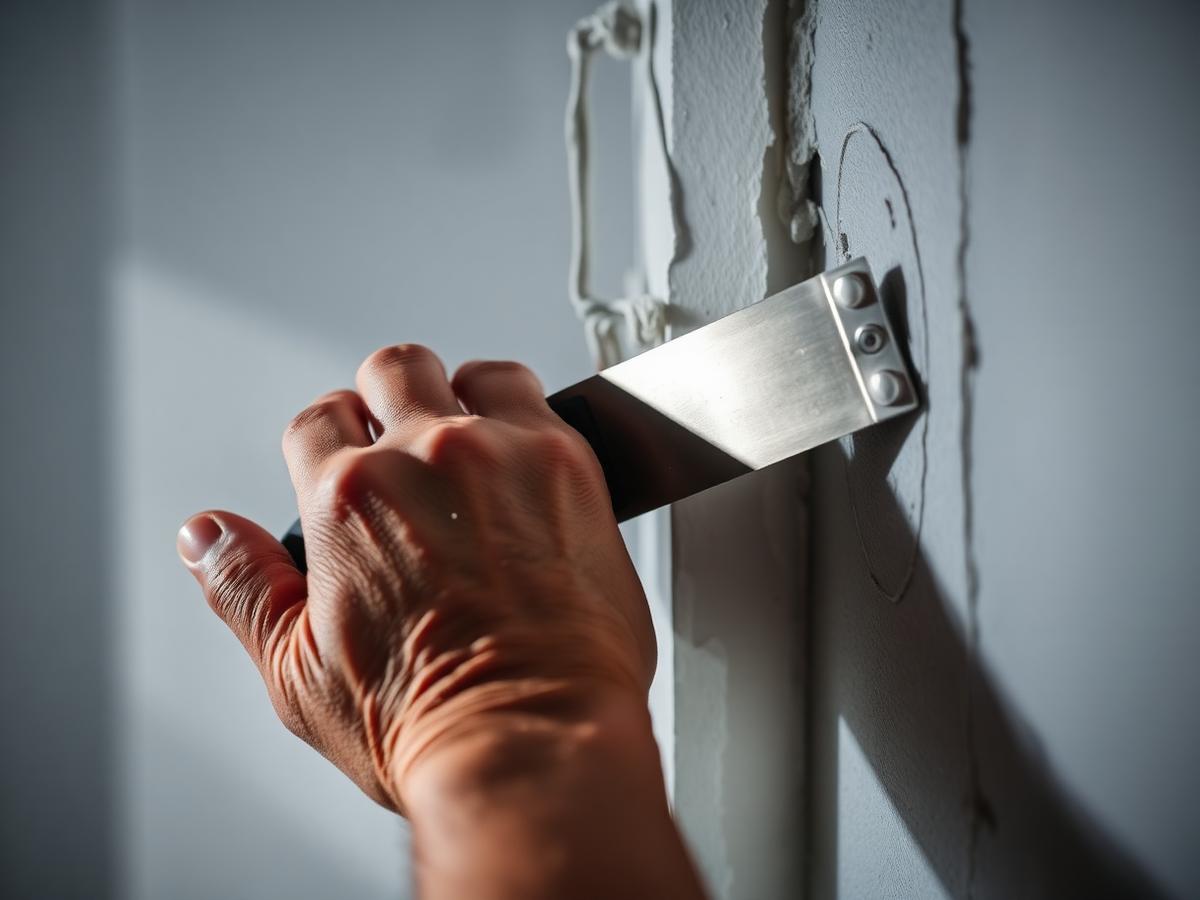
Taping, mudding, and Level 4 or Level 5 drywall finishing across Crest Hill's 60403 and 60441 ZIPs, from Broadway-area ranches to Caton Farm and Renwick Road remodels.
Free Estimate
Request a drywall repair or installation quote
Share a few details and we'll follow up within one business day.
Finishing is the step that determines whether a drywall job looks professional or amateur once paint goes on, and it's a separate skill from hanging board itself. Across Crest Hill, we tape and finish new installations, additions after a repair, and standalone finishing on board someone else already hung but couldn't get smooth.
In the newer homes near Caton Farm and Renwick Road, finishing work is typically new construction or remodel-driven, and the framing is straight enough that the finish crew's main job is clean, consistent coats without correcting for uneven walls underneath. Along Broadway and Theodore Street, older homes sometimes have out-of-plane framing or converted plaster surfaces that require extra compound and feathering to achieve a flat result.
Weber Road corridor remodels often involve finishing drywall that needs to match an adjacent existing wall's texture and sheen exactly, since a visible seam between old and new work stands out immediately in a shared living space.
Level 4 finish - three coats over tape and fasteners, sanded smooth - is the standard for most bedrooms, hallways, and basement rooms in Crest Hill, and it holds up well under normal indoor lighting with a flat or matte paint. It's a reliable, cost-effective choice for the majority of rooms in a typical remodel or basement finish.
Level 5 finish, a thin skim coat applied over the entire surface rather than just the joints, is worth the extra labor in specific situations: rooms with large windows that let in strong raking light, spaces with can lighting positioned to graze the wall or ceiling, and any surface getting an eggshell or satin sheen paint where imperfections show more than they do under flat paint.
We walk through the space with you and point out which rooms genuinely benefit from Level 5 rather than recommending it across the board, since it adds meaningful cost and isn't necessary everywhere.
Broadway and Theodore Street ranches sometimes still have original textured ceilings or walls from their construction era, and any new finishing work in those rooms needs to match that existing texture rather than introducing a smooth patch that stands out. We test spray patterns on a sample board and adjust mud consistency before finishing the actual surface.
Homes near Caton Farm and Renwick Road are typically smooth Level 4 or 5 walls throughout, which is more forgiving to finish uniformly but less forgiving of any inconsistency, since there's no texture to camouflage a seam or a slightly different sheen.
For Weber Road corridor remodels where new drywall meets an existing wall, we feather the new finish well past the seam and match the surrounding sheen, checking under different lighting conditions before calling the job done.
Each coat of joint compound needs to fully dry before the next one goes on, and rushing that process is the most common reason a finish job cracks or bubbles later. In Crest Hill, winter's dry heating-season air speeds drying time between coats, while humid summer months slow it down, which is why finishing schedules shift with the season rather than staying fixed.
A typical room finish runs several days from first coat to final sand, even though the hands-on labor is only a fraction of that time, because the compound has to cure properly between visits. We plan the schedule around this rather than compressing coats to finish faster, since a rushed finish tends to show cracking within the first year.
For larger projects like a full basement or a multi-room remodel near Caton Farm, we sequence rooms so crews stay productive while individual coats dry, rather than waiting idle on one room at a time.
Finishing cost depends primarily on square footage and the finish level chosen, with Level 5 costing meaningfully more per square foot than Level 4 because of the additional skim coat and sanding labor involved. Rooms with more corners, closets, and cutouts also cost more to finish than a simple open rectangle.
Every finishing estimate in Crest Hill is free and itemized, whether it's part of a larger installation project or standalone finishing work on drywall someone else hung. We'll point out honestly if board was hung in a way that makes achieving a flat finish more difficult, since that affects both cost and the achievable result.
Most finishing work gets scheduled within a week, and we plan the coat schedule around the season to keep drying time realistic rather than rushing the process to meet an aggressive deadline.
We check how the drywall was hung and note where windows or can lighting will graze the surface, to decide which rooms need Level 5 versus Level 4.
Joints and fasteners are taped and coated first, then left to dry fully before the next layer.
Subsequent coats build a flat, feathered surface, with full drying time between each application.
The surface is sanded under raking light, texture is matched if needed, and the whole area is primed for consistent paint sheen.
Crest Hill sits between Joliet, Lockport, and Romeoville, and its housing reflects all three - postwar ranches and split-levels near Broadway and Theodore Street, apartment and townhome clusters along Weber Road, and newer single-family construction pushing toward Caton Farm and Renwick Road. Commercial demand is small-scale and corridor-based rather than concentrated in a downtown.
Older Crest Hill ranches have shallow attics and modest insulation, so ice dams form easily in January and February and show up as brown ceiling stains along exterior walls. Heating-season dryness opens joints in the newer subdivisions.
For the full picture of everything our crews handle locally, see our drywall contractor page for Crest Hill, IL, or read the statewide detail on drywall finishing across Illinois.
Level 4 is three coats over the taped joints and fasteners, sanded smooth, and works well for most rooms under flat or matte paint. Level 5 adds a thin skim coat over the entire surface, which is worth it in rooms with strong window light, can lighting, or satin sheen paint.
Usually not the whole space. We typically recommend Level 5 only in rooms with strong raking light or a satin sheen paint, and Level 4 for the rest, since Level 5 costs more per square foot.
Yes, we test spray patterns and mud consistency on a sample board before finishing the actual ceiling, so the new work matches the existing texture rather than standing out.
A typical room takes several days from first coat to final sand, since each compound layer needs to dry fully before the next goes on. We build the schedule around the season, since summer humidity slows drying compared to winter heating.
Yes, standalone finishing work is common for us. We'll assess how the board was hung and let you know honestly if it affects how flat a finish we can achieve.
Cost depends on square footage and finish level, with Level 5 costing more than Level 4 due to the extra skim coat and sanding. Every estimate is free and itemized.
Patching holes, cracks, and damaged sections cleanly.
New drywall for additions, remodels, and new construction.
Ceiling patches, sags, and water-damaged areas.
Removing and replacing drywall after leaks or floods.
Turning basements into finished, livable rooms.
Sheetrock is the brand-name gypsum board most Illinois homes are built with. We repair, patch, and install it.