
Drywall Repair in Crest Hill, IL
Patching holes, cracks, and damaged sections cleanly.
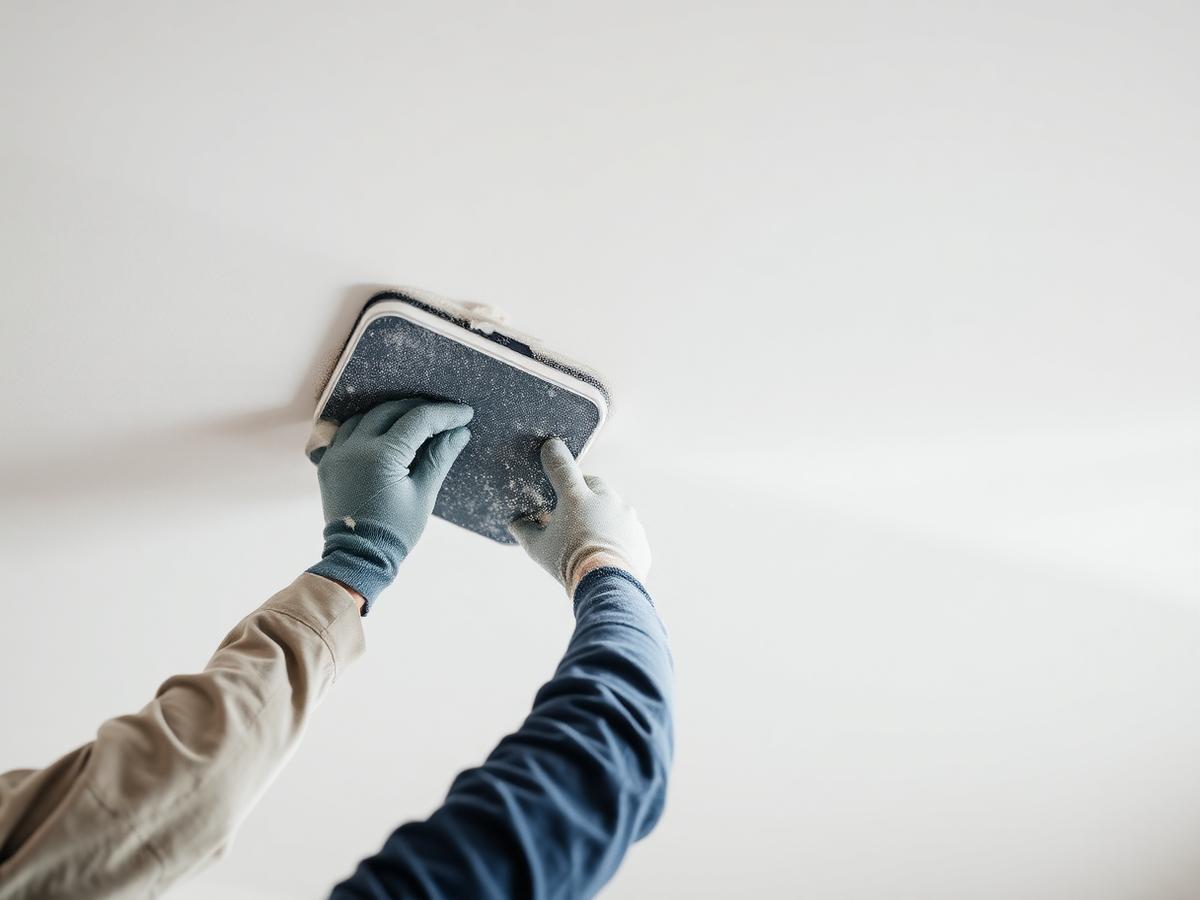
Water damaged drywall repair across Crest Hill's 60403 and 60441 ZIPs, from ice-dam ceiling damage on Broadway-area ranches to basement moisture near Caton Farm and Renwick Road.
Free Estimate
Request a drywall repair or installation quote
Share a few details and we'll follow up within one business day.
Water damage in Crest Hill homes shows up in a few distinct ways depending on where you live. Near Broadway and Theodore Street, it's almost always ceiling damage from ice dams backing water up under the roof shingles each winter, leaving brown staining or, if left too long, soft and sagging drywall along exterior walls.
Near Caton Farm and Renwick Road, where more homes have full basements, water damage tends to come from foundation seepage during heavy spring rain or a failed sump pump, soaking the lower few feet of basement drywall and any moisture-resistant board that wasn't specified when the space was originally finished.
Weber Road corridor townhomes and duplexes see water damage from plumbing leaks, both from within the unit and from a neighboring unit above, which often shows up as a ceiling or wall stain that needs coordination with a property manager before repair work can start.
Drywall's paper facing wicks water and holds moisture even after the surface looks dry, which is why painting over a dried water stain almost never solves the problem for long. The paper stays weakened, mold can develop behind the surface where you can't see it, and the discoloration frequently bleeds back through a fresh coat of paint within a few months.
For any drywall that's been soaked for more than a day or two, or that shows sagging, we cut it out to sound material rather than trying to salvage it. This is standard practice on Caton Farm-area basement flooding and on Broadway-area ceiling leaks that went unnoticed for a while, since drywall that's structurally compromised won't hold a patch.
We also check insulation and framing behind the affected drywall for lingering moisture before closing the wall back up, because sealing damp insulation or wet framing behind new board just relocates the mold problem instead of solving it.
Basements finished without moisture-resistant board on the foundation walls are the most common repeat water-damage call we get near Caton Farm and Renwick Road. Standard paper-faced drywall against a foundation wall that sees seasonal dampness eventually grows mold behind the paint, even without a dramatic flooding event.
When we repair basement water damage, we replace the affected section with moisture-resistant or paperless board rather than matching the original standard board, so the repair doesn't just recreate the same vulnerability. We also flag any sump pump or grading issues we notice, since those are usually the real source of the moisture.
For basements that flood only occasionally during heavy spring rain, we sometimes recommend leaving the lower foot of drywall on a removable strip system so future water events don't require cutting into the wall each time.
Mold can begin developing on wet drywall paper within 24 to 48 hours in a humid Illinois basement, which is why we recommend getting water damage assessed quickly rather than waiting to see if it dries on its own. Once mold is visible or the material smells musty, that section needs to be removed and disposed of, not just dried in place.
For smaller water events caught early, we sometimes bring in fans and dehumidifiers to dry the framing and any salvageable drywall before deciding what needs to be cut out, which can reduce the total area that needs replacing.
Any water damage tied to an ongoing leak, whether a roof issue on a Broadway ranch or a plumbing problem in a Weber Road townhome, needs that source fixed before we close up new drywall, or the repair fails again on the same schedule as the original leak.
Water damage repair is priced by the square footage of affected drywall, plus any additional cost for moisture-resistant board upgrades or mold remediation if the damage sat unaddressed for a while. Every estimate is free and itemized, and we separate the drywall repair cost from any recommendations about the underlying cause, like attic insulation or a sump pump.
Many homeowners file an insurance claim for sudden water damage events like a burst pipe or a major ice-dam leak, and we provide detailed, itemized documentation of the damage and repair scope that insurance adjusters typically request.
Most water damage repairs get scheduled within a week once the source is fixed, and active or urgent situations are usually next-day or same-week. Hours are 8am to 7pm, seven days a week, for both estimates and scheduling.
We inspect the drywall, insulation, and framing to determine how far the water traveled and how much material needs to come out.
We coordinate with you or your property manager to make sure the roof, plumbing, or foundation issue causing the damage is resolved before closing up new drywall.
Saturated or moldy drywall is cut out to sound material and disposed of properly rather than dried and reused.
New drywall, moisture-resistant where appropriate, is hung, taped, finished, and primed to match the surrounding surface.
Crest Hill sits between Joliet, Lockport, and Romeoville, and its housing reflects all three - postwar ranches and split-levels near Broadway and Theodore Street, apartment and townhome clusters along Weber Road, and newer single-family construction pushing toward Caton Farm and Renwick Road. Commercial demand is small-scale and corridor-based rather than concentrated in a downtown.
Older Crest Hill ranches have shallow attics and modest insulation, so ice dams form easily in January and February and show up as brown ceiling stains along exterior walls. Heating-season dryness opens joints in the newer subdivisions.
For the full picture of everything our crews handle locally, see our drywall contractor page for Crest Hill, IL, or read the statewide detail on water-damaged drywall repair across Illinois.
Usually not for long. Drywall paper holds moisture even after the surface looks dry, and staining or mold often reappears within months of painting over it. Cutting out the affected section is more reliable for a lasting repair.
Mold can start within 24 to 48 hours in a humid basement, which is why we recommend having water damage looked at quickly rather than waiting to see if it dries on its own.
Yes. When we repair basement water damage, we replace the affected section with moisture-resistant or paperless board rather than matching the original standard board, which reduces the chance of repeat damage.
No, we recommend fixing the source first. Closing up new drywall over an active leak just means the repair fails again on the same timeline as the original problem.
Yes, we provide itemized documentation of the damage and repair scope, which is typically what insurance adjusters request for a water damage claim.
Once the leak source is addressed, most repairs get scheduled within a week, and urgent situations are usually next-day or same-week. We work 8am to 7pm, seven days a week.
Patching holes, cracks, and damaged sections cleanly.
New drywall for additions, remodels, and new construction.
Ceiling patches, sags, and water-damaged areas.
Turning basements into finished, livable rooms.
Smooth, paint-ready walls and ceilings.
Sheetrock is the brand-name gypsum board most Illinois homes are built with. We repair, patch, and install it.