
Drywall Repair in Lockport, IL
Patching holes, cracks, and damaged sections cleanly.
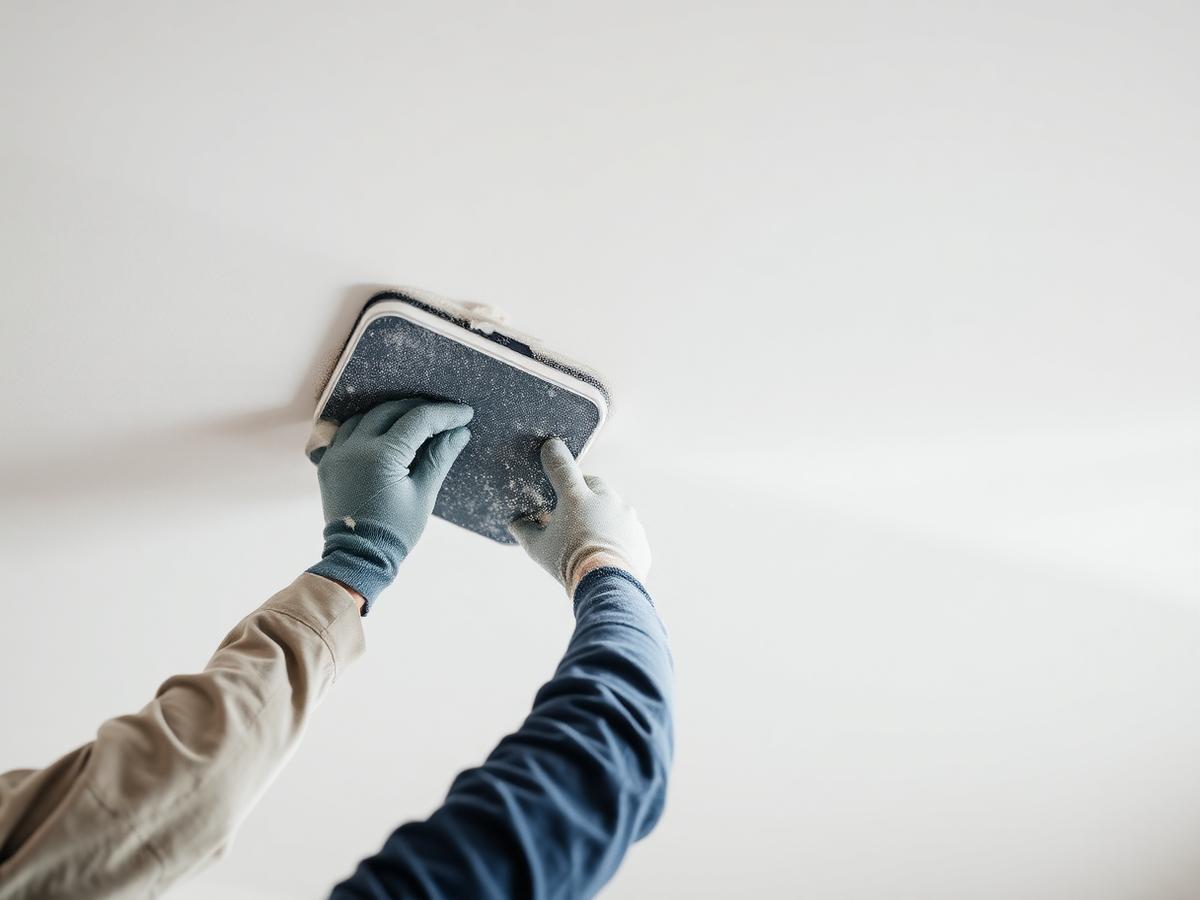
Repair of water-stained and structurally soft drywall across Lockport's 60441 and 60446 ZIPs, from ice-dam ceiling damage downtown to burst-pipe walls in Wynstone basements.
Free Estimate
Request a drywall repair or installation quote
Share a few details and we'll follow up within one business day.
Water damage shows up differently across Lockport depending on the age and layout of the building. Downtown and in the Broadway Historic District, aging roofs with minimal attic ventilation and canal-corridor humidity cause slow ceiling leaks that stain plaster or drywall long before anyone notices a drip, often discovered only when a brown ring finally spreads wide enough to see from the floor.
In Prairie Trails, Wynstone, and Gaylord Farms basements, the damage is usually sudden - a burst supply line, a sump pump failure during a heavy spring storm, or a water heater letting go overnight - and it soaks the lower few feet of drywall around the entire perimeter of the room. Near Fairmont and the older east-side streets, we see aging plumbing stacks that fail slowly rather than all at once.
Regardless of cause, the repair approach is the same: confirm the source is stopped, remove anything that has actually failed structurally, dry the space properly, and rebuild with board suited to where it sits in the house.
Ice dams are the single biggest recurring cause of ceiling water damage across Lockport, especially on the older, less-insulated roofs near downtown and the Broadway district. Every winter that follows a heavy snow, the same eaves back up water into the same ceiling corners unless the underlying ventilation and insulation problem is corrected, not just the drywall.
In basements across Prairie Trails and Wynstone, sump pump failures during heavy spring rain are the most common repeat cause, since Will County's clay soils drain slowly and push a lot of groundwater toward foundation drain tile during a storm surge. If the pump or drain tile is not addressed, the same wall floods again the next heavy rain.
Older plumbing stacks in Fairmont and downtown-adjacent homes fail slowly, often staining a wall for months before anyone traces it to a slow drain-line leak rather than a roof or basement issue. We always try to identify the actual source with you or your plumber before rebuilding drywall over it.
The first step on every water damage call is deciding what actually needs to come out. Drywall that is merely stained but still firm can sometimes be sealed with a stain-blocking primer and repainted, while board that has gone soft, delaminated, or shows any sign of mold has to be cut out to sound material, usually a foot or more past the visible damage line to be safe.
For basement flooding in Wynstone and Gaylord Farms homes, we typically remove drywall to at least 12 to 24 inches above the water line, since wicking pulls moisture higher into the board than the visible waterline suggests. Rebuilding uses moisture-resistant or paperless board on any surface within a few feet of the slab, regardless of what was there originally.
Once the space is dried and rebuilt, we tape, coat, texture-match, and prime the repair the same as any other drywall job - the only difference with water damage work is confirming dryness with a moisture meter before closing the wall back up, which we do as standard practice.
Small water-stain repairs, like a single ceiling patch after an ice dam, are priced against a half-day minimum similar to any other drywall repair. Larger jobs - a flooded basement perimeter or a whole ceiling plane - price by area and finish level, and we itemize the estimate so you can see material and labor separately for your insurance adjuster if this is a claim.
We photograph the damage before removal and again during the rebuild, which insurance companies typically want documented. If mold remediation is needed beyond what a standard cleanup addresses, we will tell you and can coordinate with a remediation specialist before we rebuild, rather than drywalling over an unresolved mold issue.
Every estimate remains free regardless of whether the job becomes an insurance claim, and we do not add a premium simply because insurance is paying.
Water damage calls get priority scheduling because the longer wet drywall sits, the more it invites mold growth, especially given how humid the canal corridor runs in summer. Most water damage repairs are next-day or same-week rather than the standard week-out schedule for cosmetic work, and we can often start demolition and drying the same visit we assess the damage.
We regularly coordinate with restoration companies, plumbers, and roofers on Lockport jobs where our drywall work is one piece of a larger repair, and we are comfortable working from a restoration company's scope of work or writing our own.
Hours are 8am to 7pm, seven days a week, and we serve the full 60441 and 60446 area along with Homer Glen, Crest Hill, and Romeoville when the damage spans a shared wall or unit.
We verify with you, your plumber, or your roofer that the leak causing the damage is actually resolved before starting any repair.
Soft, delaminated, or moldy drywall is cut back to sound material, typically a foot or more past the visible waterline.
The space is dried before any rebuilding begins, and we confirm dryness with a meter rather than closing up a wall on assumption.
Moisture-resistant board goes in where appropriate, then the wall is taped, coated, texture-matched, and primed like any standard repair.
Lockport carries one of the oldest building stocks in Will County - limestone and frame structures along the Illinois and Michigan Canal downtown, plus a Broadway historic district of pre-1900 homes. Around that core the city added large subdivisions through the 1990s and 2000s toward 159th Street and Bruce Road, so plaster work and new-construction finishing sit side by side in the same ZIP.
Canal-corridor humidity plus Will County freeze-thaw is hard on old plaster: ceilings key off the lath, cornices crack, and exterior-wall plaster spalls where moisture migrates. Newer subdivisions on the east side see standard heating-season joint movement instead.
For the full picture of everything our crews handle locally, see our drywall contractor page for Lockport, IL, or read the statewide detail on water-damaged drywall repair across Illinois.
Staining alone does not always mean the board must come out - if it is still firm and dry, a stain-blocking primer can sometimes handle it. Board that is soft, delaminated, or shows mold has to be cut out to sound material.
That is usually a sump pump or foundation drain tile issue rather than a drywall issue. Will County's clay soils drain slowly, and if the pump or drain tile is not addressed, the same wall floods again the next heavy rain.
Yes. We photograph damage before and during the rebuild and provide itemized estimates that separate material and labor for your adjuster, at no extra cost whether or not it becomes a claim.
Water damage gets priority scheduling, usually next-day or same-week, and we can often begin demolition and drying the same visit we assess the damage.
Yes. If we see signs of mold beyond a standard cleanup, we tell you and can coordinate with a remediation specialist before we rebuild rather than drywalling over an unresolved problem.
Moisture-resistant or paperless board on any surface within a few feet of the slab, regardless of what was originally installed, since standard paper-faced board is prone to repeat mold growth in that location.
Patching holes, cracks, and damaged sections cleanly.
New drywall for additions, remodels, and new construction.
Ceiling patches, sags, and water-damaged areas.
Turning basements into finished, livable rooms.
Smooth, paint-ready walls and ceilings.
Sheetrock is the brand-name gypsum board most Illinois homes are built with. We repair, patch, and install it.