
Drywall Repair in Romeoville, IL
Patching holes, cracks, and damaged sections cleanly.
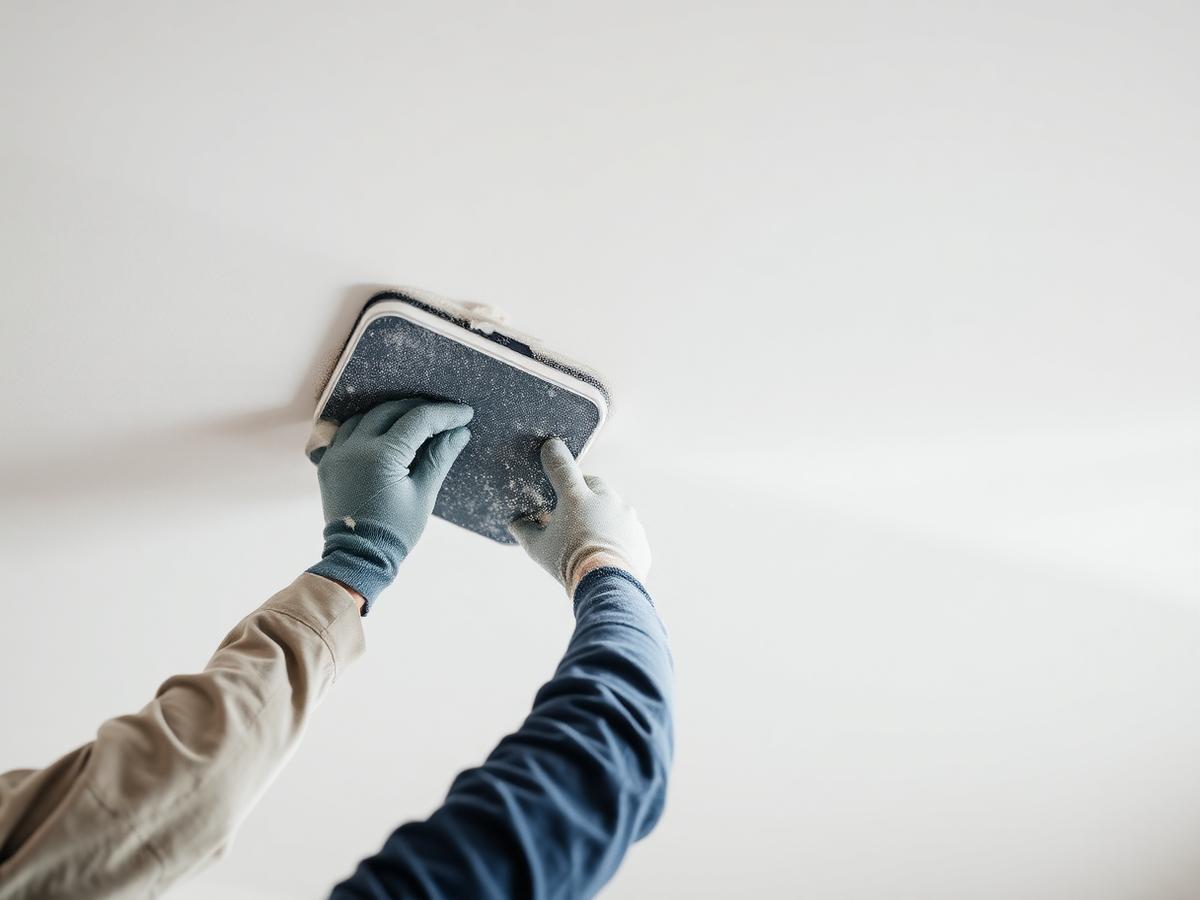
Water-stained ceiling and wall repair for Romeoville homes and warehouse buildings across 60446 and 60441, with moisture-resistant board specified where it matters.
Free Estimate
Request a drywall repair or installation quote
Share a few details and we'll follow up within one business day.
Most water-damaged drywall calls in Romeoville trace to one of three sources. In two-story homes across Wesglen, Highpoint, and Lakewood Falls, upstairs bathroom or supply-line leaks show up as a brown ring on the first-floor ceiling below, usually days after the actual leak because water travels along a joist or truss chord before it finds a seam to drip through. In basements throughout the same subdivisions, sump pump failures and window well seepage during Will County's spring thaw soak the bottom two feet of drywall along foundation walls. Along Weber Road and Route 53 retail, roof leaks and HVAC condensation lines cause ceiling tile and hard-lid drywall staining in commercial suites.
The extent of the repair depends entirely on how long the drywall stayed wet, not just how big the stain looks. Drywall that was merely stained but never structurally soaked can sometimes be cleaned, primed with a stain blocker, and repainted. Drywall that stayed saturated for more than a day or two loses its structural integrity and has to come out, because the gypsum core delaminates from the paper face even after it dries and looks fine.
Any repair that follows actual water intrusion also has to address what let the water in and whether mold growth started before we ever touch the drywall, since re-covering a damp cavity just hides the problem instead of solving it.
Will County's clay-heavy soils drain slowly, so during spring thaw and heavy rain events, water sits against foundation walls longer than it would in sandier soil, and it finds its way in through window wells, cove joints where the wall meets the slab, or a sump pump that cannot keep pace. Basements in Wesglen and Highpoint that have flooded once tend to flood again unless the actual water management - grading, window well drains, sump capacity - gets addressed alongside the drywall repair.
Upstairs leaks tend to repeat when the original cause was never fixed, most often a supply line fitting behind a tub surround or a wax ring failure under a toilet. We will tell you plainly when we see evidence the leak is ongoing rather than a one-time event, because repairing drywall over an active leak just means doing the job twice.
In warehouse and retail buildings along the Airport Road and I-55 corridor, recurring ceiling staining is frequently condensation from an undersized or poorly insulated HVAC line rather than a roof leak, and that distinction changes both the repair and who needs to fix the underlying cause.
Once we confirm the drywall was saturated rather than just stained, we cut it out back to dry, sound material - never just the visibly stained section, since gypsum wicks moisture well beyond the stain line. Insulation behind the cut-out is checked and replaced if it stayed wet, since damp insulation holds moisture against the new board and defeats the repair.
In basements we specify moisture-resistant or paperless board for the replacement section, particularly within a couple feet of the slab, since this is exactly the zone where Romeoville's clay soils and cool slab temperatures create ongoing humidity exposure even after the immediate leak is fixed. Ceiling replacements upstairs use standard board once the source leak is confirmed repaired, matched to whatever board thickness and ceiling texture is already in place.
Texture matching follows the same process as any other repair - knockdown or orange peel tested on a sample board first - and any lingering stain gets a stain-blocking primer before final paint so it cannot bleed through months later.
Small water-stain repairs, where the drywall was not saturated, are priced against a half-day minimum and generally involve cleaning, priming, and re-texturing a section rather than replacing board. That is the least expensive outcome and the one we recommend whenever the drywall is genuinely sound.
Cut-out and replacement work prices by the square footage removed, insulation replacement if needed, and finish level. A basement wall section replaced after a sump failure is usually less expensive per square foot than a vaulted living room ceiling replaced after an upstairs leak, since ceiling work involves overhead labor and more careful texture matching.
We provide a free itemized estimate that separates drywall repair from any mold remediation, insulation replacement, or plumbing repair the source of the leak requires, since those are frequently handled by different trades and homeowners want to see the full picture before deciding how to proceed.
Water damage repair calls get priority scheduling since drywall left wet continues to risk mold growth the longer it sits. Most calls are next-day or same-week rather than the standard week-out scheduling for routine repairs, though we never promise same-day service since drying and coat cycles take real time regardless of urgency.
For rental properties and townhome HOA units off Weber Road, we coordinate directly with property managers so repairs happen on a schedule that works around tenants, and we provide documentation of the repair for insurance claims when requested.
Warehouse and retail tenants along the Airport Road and Route 53 corridor get after-hours scheduling so ceiling tile removal, drywall cutting, and dust containment happen without disrupting business hours. Hours overall are 8am to 7pm, seven days a week.
We test how far moisture traveled and whether the board is salvageable or needs full replacement.
Damaged drywall and wet insulation are removed well past the visible stain line.
We flag ongoing leaks before rebuilding, since covering an active leak just delays the same repair.
Moisture-resistant board goes in basement and slab-adjacent zones; standard board matches elsewhere.
New drywall is taped, textured to match, and primed with a stain blocker before final paint.
Romeoville's housing is largely post-1990 subdivision construction west of Route 53, with older sections near the original village core along Romeo Road. Its commercial base is unusually industrial for the area - the I-55 and Airport Road corridor holds a dense cluster of distribution and light-manufacturing buildings whose office areas need drywall on a regular cycle.
Truss uplift during Will County's dry heating season is the single most common Romeoville call - the ceiling separates from the wall along interior partitions each winter and closes back up in summer. Correct detailing at that joint is what stops the crack from returning.
For the full picture of everything our crews handle locally, see our drywall contractor page for Romeoville, IL, or read the statewide detail on water-damaged drywall repair across Illinois.
It depends on how long the drywall stayed wet, not how the stain looks. Briefly stained drywall can often be cleaned and primed with a stain blocker, but drywall saturated for more than a day or two loses structural integrity even if it looks fine once dry, and needs to come out.
Will County's clay-heavy soils drain slowly, so water sits against foundation walls longer during spring thaw and heavy rain, often finding its way in through window wells or cove joints. If that pattern repeats, we recommend addressing the water management alongside the drywall repair, not just replacing the board again.
Yes, we specify moisture-resistant or paperless board in basement and slab-adjacent zones, since standard board in that location will wick moisture again even after the immediate leak is fixed.
Yes. We inspect for visible mold growth on the drywall and framing during the cut-out, and we will flag it and recommend remediation before proceeding if we see signs it has already started.
Water damage gets priority scheduling, usually next-day or same-week, since wet drywall left in place continues to risk mold growth. We do not promise same-day service since coat cycles and drying take real time.
Yes, we can document the damage and repair scope on request, which is useful for homeowners and property managers filing a claim with their insurer.
Yes, including staining from roof leaks and HVAC condensation lines. We schedule after hours so ceiling tile and drywall work does not interrupt business operations.
Simple stain cleaning and repainting is priced against a half-day minimum. Cut-out and replacement work prices by square footage and finish level, and every estimate is itemized and free.
Patching holes, cracks, and damaged sections cleanly.
New drywall for additions, remodels, and new construction.
Ceiling patches, sags, and water-damaged areas.
Turning basements into finished, livable rooms.
Smooth, paint-ready walls and ceilings.
Sheetrock is the brand-name gypsum board most Illinois homes are built with. We repair, patch, and install it.