
Drywall Repair in Naperville, IL
Patching holes, cracks, and damaged sections cleanly.
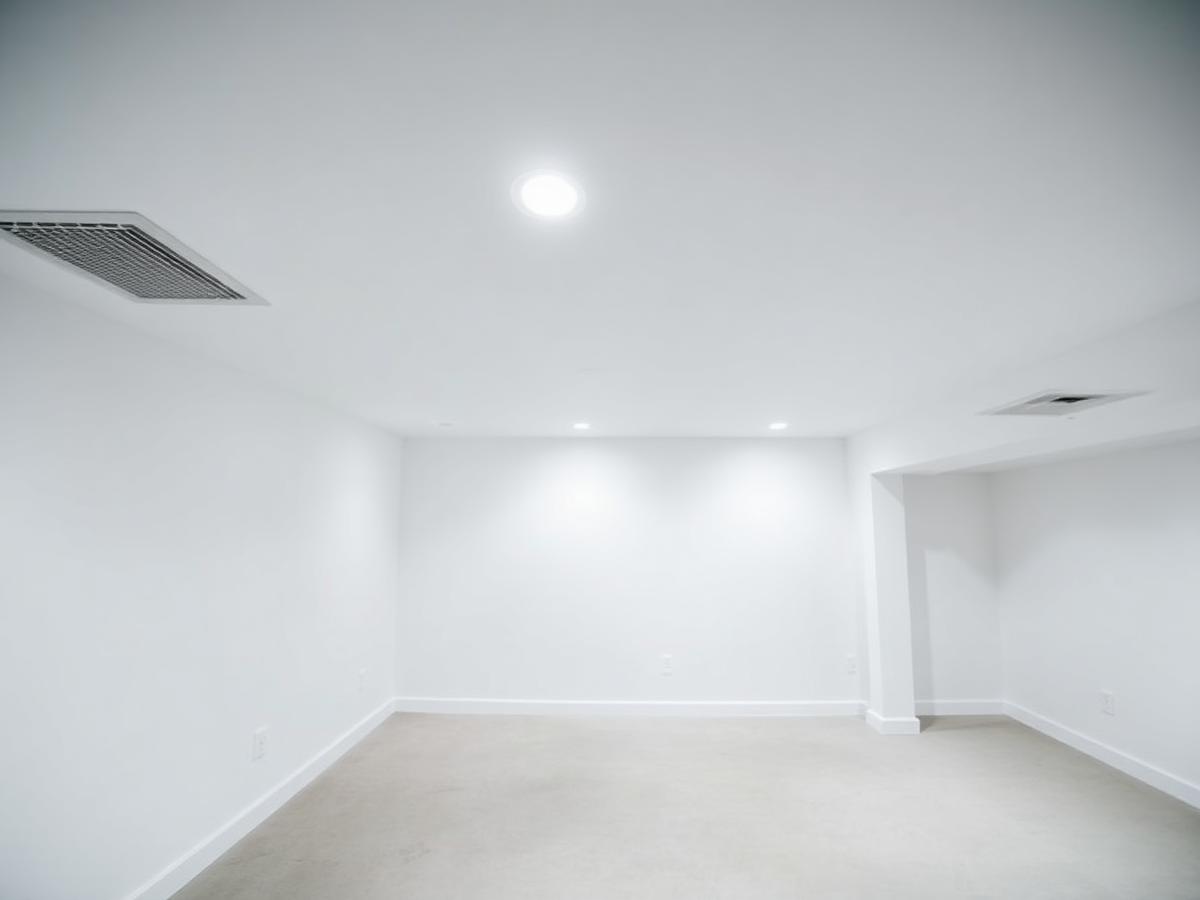
Basement drywall installation and repair for Naperville's south-side subdivisions - White Eagle, Ashwood Park, Tall Grass, and Stillwater - plus older Cress Creek homes.
Free Estimate
Request a drywall repair or installation quote
Share a few details and we'll follow up within one business day.
Basement finishing is one of the steadiest jobs we do in Naperville, concentrated heavily in White Eagle, Ashwood Park, Tall Grass, and Stillwater, where large lots and full basements built in the 1990s and 2000s are still being converted into media rooms, home gyms, offices, and guest suites. These basements typically have decent ceiling height and dry, poured-concrete foundations, but they still bring the same core challenge every basement does: framing and drywalling against a slab and foundation walls that will always run cooler and more humid than the living space above.
In Cress Creek and Hobson West, older basements sometimes have partial finishing from decades ago that needs to be brought up to current standards - replacing old paneling or water-damaged board, adding proper moisture-resistant board at the base of walls, and re-framing sections that were never insulated correctly. Those projects often reveal issues, like old cracks in the foundation or evidence of a past minor flood, that we flag before closing the wall.
We also see repair-only basement calls citywide: a section of drywall damaged by a sump pump failure, mold discovered behind a finished wall during a home inspection, or nail pops and seam cracks in an older finished basement as the house has settled over the years.
A Naperville basement slab sits below grade year-round, which means it stays cooler than the air above it and is in constant contact with the soil moisture that DuPage and Will County's clay-heavy ground holds onto after rain and snowmelt. Standard paper-faced drywall run directly against a foundation wall, or with the bottom edge touching the slab, will wick that moisture over time and support mold growth behind the paint long before anyone notices a problem on the surface.
That's why every basement wall we frame gets a slight gap between the drywall and the slab, and why we specify moisture-resistant or paperless board for the lower courses of foundation walls regardless of how dry the basement seems at the time of installation. It's a much smaller cost during construction than it is to open the wall back up in five years when a problem shows up.
Humidity swings between a dry Naperville winter and a humid summer also affect how basement drywall performs long-term, particularly around window wells and walkout doors in Tall Grass and Stillwater homes, where seasonal condensation is common. We plan insulation and vapor management around those specific conditions rather than treating a basement like an upstairs room with lower ceilings.
Basement ceilings in White Eagle and Ashwood Park homes almost always need to work around ductwork, plumbing lines, and support columns, so we plan soffits and bulkheads before hanging any board rather than improvising around obstacles mid-project. Getting that layout right up front avoids awkward drops in the ceiling plane that stand out once the room is painted.
For finish level, most basement rooms get a Level 4 finish, which is the right call for a home theater, gym, or bedroom under normal lighting. If the basement has a wet bar backsplash area, a fireplace surround, or a wall with dramatic accent lighting, we'll discuss whether Level 5 is worth the extra labor for that specific wall.
Egress window wells, walkout doors, and any wall adjacent to an exterior grade in a Stillwater or Tall Grass basement get extra attention to insulation and vapor barrier detail before drywall goes up, since that's where seasonal condensation is most likely to develop behind the finished wall.
Basement drywall projects price primarily by square footage, ceiling height, and how much of the basement needs framing versus just hanging board on existing studs. A basement with a straightforward open layout costs less per square foot than one with a wet bar, a bathroom rough-in, and multiple soffits to build around mechanicals.
Repair-only work in an existing finished basement - a water-damaged section, a settled crack, a mold remediation follow-up - is priced against a half-day minimum like our other repair work, since the coat-and-dry cycle applies regardless of job size.
Every Naperville basement estimate is free and itemized, breaking out framing, board, finish level, and any moisture-resistant material upgrades so you can see exactly where the cost comes from before committing.
A full basement finish generally runs two to three weeks from first sheet to sanded and primed, depending on soffit complexity and whether plumbing for a bathroom or wet bar needs to be roughed in first. We coordinate the drywall schedule around other trades so framing, electrical, and plumbing inspections happen in the right order before we close up walls.
For repair-only basement work, most jobs go on the schedule within a week, with mold or water-related repairs typically prioritized for next-day or same-week attention since delaying that work allows the problem to spread.
Hours are 8am to 7pm, seven days a week, for both scheduling calls and active jobsite work across Naperville's south-side subdivisions and the surrounding service area.
We check the slab, foundation walls, and existing framing for moisture and squareness before planning the layout.
Ductwork, plumbing, and columns are mapped out, and moisture-resistant board is specified at slab-level walls.
Any needed framing is completed, then board is hung with a slight slab gap to prevent moisture wicking.
Joints are taped and finished to Level 4 or Level 5 depending on the room's use and lighting.
The finished basement is checked under the room's actual lighting before we clean up and hand it back.
Naperville's residential base ranges from 1970s Hobson West and Cress Creek homes to newer construction in White Eagle, Ashwood Park, Tall Grass, and Stillwater, plus dense townhome and condo communities near downtown. The commercial base spans the Route 59 retail corridor, the I-88 office park cluster, and the medical district around Edward Hospital. ZIP 60564 anchors the south side, with our crews also working 60565, 60563, 60540, and 60566.
Northern Illinois freeze-thaw cycles, heating-season low humidity, and heavy summer HVAC loads all stress drywall assemblies - basement walls and second-floor ceilings both crack seasonally, generating steady repair-and-repaint work across White Eagle, Tall Grass, and the downtown core.
For the full picture of everything our crews handle locally, see our drywall contractor page for Naperville, IL, or read the statewide detail on basement drywall across Illinois.
Yes, at least at the base of foundation walls. We specify moisture-resistant or paperless board there regardless of how dry the basement seems, because slab-adjacent walls stay cooler and more humid than the rest of the house.
Yes, that's a common basement scope in those neighborhoods. We coordinate framing and drywall around the plumbing rough-in and soffits needed for the mechanicals.
It depends on square footage, ceiling complexity, and finish level. A simple open basement costs less per square foot than one with a wet bar and multiple soffits. Every estimate is free and itemized.
Yes, we regularly remove old paneling, address any moisture or framing issues we find underneath, and finish the space with properly specified drywall.
Typically two to three weeks from first sheet to sanded and primed, depending on soffit complexity and whether plumbing needs to be roughed in first.
We'll flag it honestly before proceeding. Depending on severity, that may mean a straightforward drywall replacement or a recommendation to bring in a remediation specialist first.
Yes, walls near egress windows and walkout doors get extra insulation and vapor barrier attention before drywall goes up, since seasonal condensation is common there.
Repair-only work typically goes on the schedule within a week, with water or mold-related damage often prioritized for next-day or same-week attention.
Patching holes, cracks, and damaged sections cleanly.
New drywall for additions, remodels, and new construction.
Ceiling patches, sags, and water-damaged areas.
Removing and replacing drywall after leaks or floods.
Smooth, paint-ready walls and ceilings.
Sheetrock is the brand-name gypsum board most Illinois homes are built with. We repair, patch, and install it.