
Drywall Repair in Woodridge, IL
Patching holes, cracks, and damaged sections cleanly.
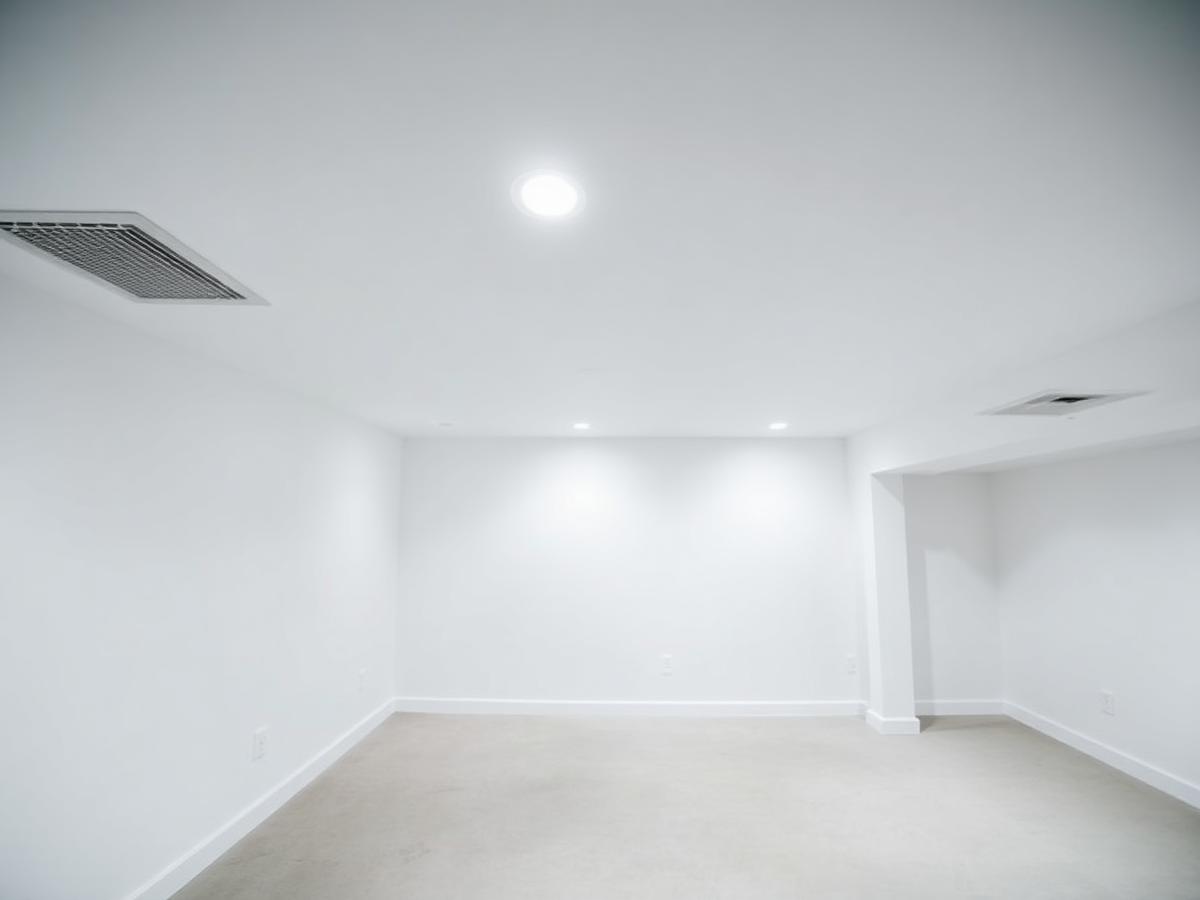
Basement drywall installation, finishing, and repair for Woodridge homes, from Seven Bridges finish-outs to older Farmingdale Village and Winston Hills lower levels.
Free Estimate
Request a drywall repair or installation quote
Share a few details and we'll follow up within one business day.
Basement finish-outs are one of our steadiest project types in Woodridge, particularly in Seven Bridges and Hobson Greene homes where families are adding a rec room, home office, or guest suite below grade. These basements have relatively new, square foundations and consistent framing when we build out partition walls, which makes for efficient installation, but the below-grade environment still demands the right materials regardless of how new the house is.
Farmingdale Village and Winston Hills basements are older and sometimes have already been partially finished decades ago with materials that don't meet today's moisture standards. We regularly get called to remove old paneling or water-damaged drywall from a 1980s basement finish and rebuild it properly with moisture-resistant board and a plan for the specific dampness pattern that basement shows.
Basements near Cypress Cove and closer to Greene Valley Forest Preserve's water table sit in a slightly higher-moisture pocket of the village, and we take extra care with board selection and vapor management in that area specifically.
Standard drywall is paper-faced gypsum, and paper is an excellent food source for mold once it stays damp. Basement walls sit against foundation concrete that is naturally cooler than room air and often slightly damp even without a visible leak, especially in the humid summer months common to DuPage County. Over time, that moisture wicks into standard board at the base of the wall and creates a mold problem hidden behind paint.
We use moisture-resistant board on basement walls, particularly in the bottom two feet closest to the slab, and always frame walls with a small gap off the concrete floor rather than resting the drywall directly on it, so wicking moisture from the slab itself doesn't reach the board.
For Woodridge basements with a known history of dampness or past flooding, we'll also discuss whether a French drain, sump upgrade, or exterior grading fix should happen before or alongside the drywall work, since finishing over an unresolved moisture source just delays the same problem.
Basement layouts in Seven Bridges and Hobson Greene homes typically need to work around support columns, HVAC trunk lines, and sump pit access, all of which require careful framing and soffit planning before drywall ever goes up. We plan bulkheads and soffits to box in ductwork as tightly as possible while keeping ceiling height usable for a rec room or home theater.
Older Farmingdale Village and Winston Hills basements often have lower ceiling heights and more mechanical clutter from decades of added equipment, so layout planning there focuses on maximizing usable open space while still providing access panels where the furnace, water heater, or electrical panel need to stay reachable.
Egress window wells, required for any basement bedroom under Illinois code, get framed and drywalled with attention to the window well liner and proper insulation behind the drywall, since that corner of a basement is often the coldest and most condensation-prone spot in the room.
Most finished basements in Woodridge get a Level 4 finish with a flat or matte ceiling paint and a slightly more durable eggshell on the walls, since basements see more bumps and furniture moves than upstairs rooms. Home theater rooms in Seven Bridges homes sometimes go with a darker wall color and Level 5 smooth finish to avoid any texture shadowing under theater lighting.
Sound insulation between a finished basement and the floor above is worth discussing during framing, particularly for home theaters or guest suites in Woodridge homes where upstairs bedrooms sit directly overhead. We can add resilient channel or sound-rated insulation in the ceiling assembly before board goes up.
We always recommend running any low-voltage wiring, extra outlets, or future built-in shelving blocking before the walls close up, since that's the one point in the project where those additions are essentially free.
Existing finished basements with musty smells, bubbling paint, or visibly damaged drywall near the floor usually have a moisture issue that needs to be traced before any drywall gets replaced. We check for signs of past flooding, sump pump function, and exterior grading issues as part of the initial visit rather than just quoting a straight drywall swap.
Once the moisture source is addressed, we remove affected board, check the framing behind it, and rebuild with moisture-resistant material and improved detailing at the slab line to reduce the odds of a repeat problem.
Hours are 8am to 7pm, seven days a week, and the fastest way to schedule a basement estimate in Woodridge is through our online form.
We assess the basement's moisture history, mechanical layout, and framing needs before quoting the project.
Partition walls, soffits, and bulkheads are framed around ductwork, columns, and access needs.
Board is selected and installed with attention to slab proximity and window well insulation.
Joints are taped, coated to the specified finish level, and sanded smooth.
The finished basement is primed, cleaned, and ready for paint or handoff to your painter.
Woodridge is a DuPage County village built mostly between 1965 and 1990, with split-levels and quad-levels dominating older neighborhoods like Farmingdale Village and Winston Hills. The Seven Bridges area on the south side added newer homes, townhomes, and a commercial cluster in the 1990s and 2000s. Business demand centers on 75th Street, Route 53, and the Internationale Centre industrial park.
DuPage freeze-thaw cycles and 1970s-era attic insulation combine into ice dams on the older Woodridge roofs, and the ceiling stains show up along exterior walls each February. Split-level framing transitions crack seasonally as well.
For the full picture of everything our crews handle locally, see our drywall contractor page for Woodridge, IL, or read the statewide detail on basement drywall across Illinois.
Yes, that's a large share of our Woodridge basement work, with square, consistent framing that makes for efficient installation once the layout plan is set.
Moisture-resistant board, especially in the bottom two feet near the slab, since standard board can wick moisture from the foundation and become a mold risk.
Yes, we regularly remove outdated paneling or water-damaged drywall from older basements and rebuild with proper moisture-resistant materials and slab-line detailing.
We start by evaluating the moisture source rather than just replacing drywall, since a musty smell usually points to a sump, grading, or condensation issue that should be addressed alongside the drywall repair.
Yes, including insulation and drywall detailing around the window well, which is often the coldest and most condensation-prone spot in a finished basement.
Yes, we can add resilient channel or sound-rated insulation in the ceiling assembly during framing, before drywall goes up.
Typically two to three weeks from first sheet to sanded and primed, depending on soffits, mechanical penetrations, and whether there's a wet bar or bathroom involved.
Patching holes, cracks, and damaged sections cleanly.
New drywall for additions, remodels, and new construction.
Ceiling patches, sags, and water-damaged areas.
Removing and replacing drywall after leaks or floods.
Smooth, paint-ready walls and ceilings.
Sheetrock is the brand-name gypsum board most Illinois homes are built with. We repair, patch, and install it.