
Drywall Repair in Shorewood, IL
Patching holes, cracks, and damaged sections cleanly.
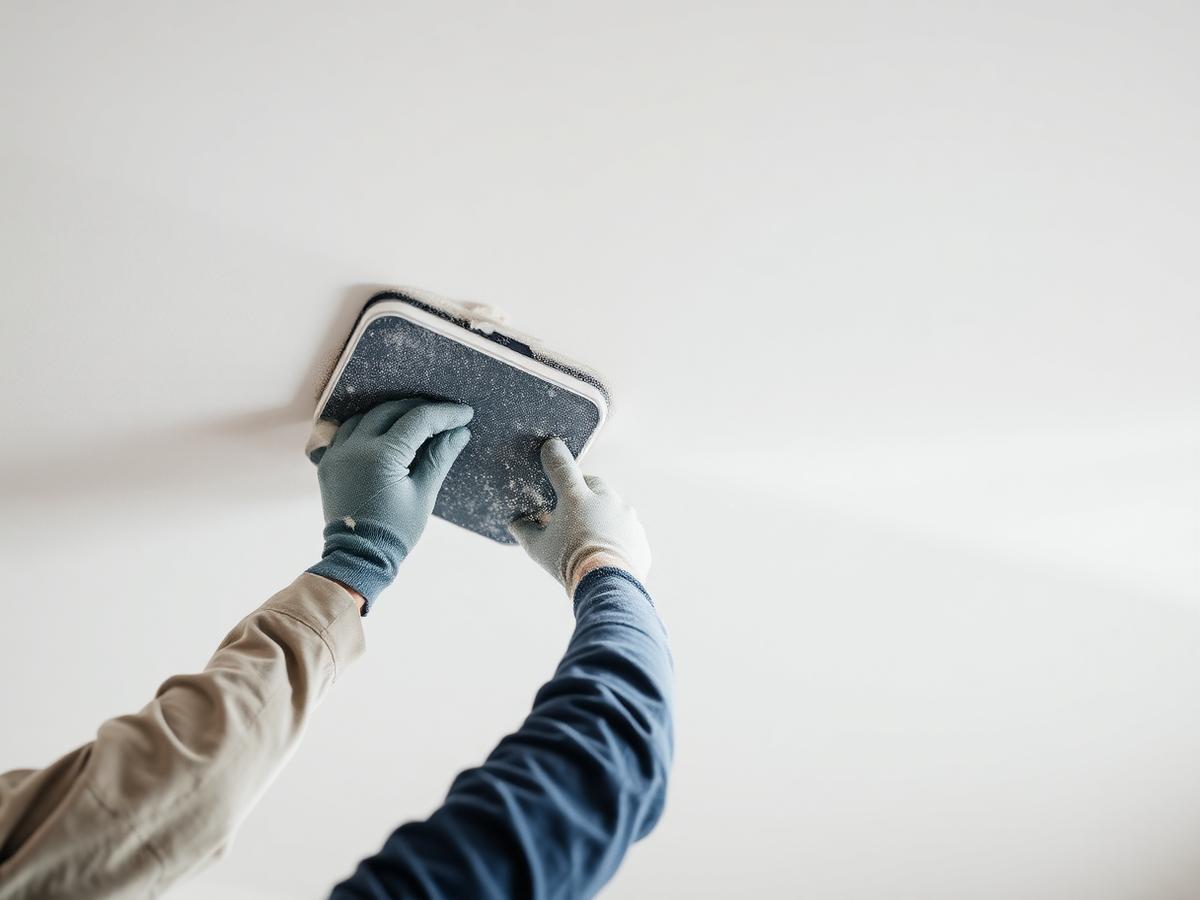
Water-damaged drywall removal and repair for Shorewood homes near the DuPage River corridor and across 60404 and 60431, from ceiling stains to soaked basement walls.
Free Estimate
Request a drywall repair or installation quote
Share a few details and we'll follow up within one business day.
Shorewood's location along the DuPage River corridor means water-damaged drywall calls here have a distinct seasonal pattern. Heavy spring storms push water through roof flashing and clogged gutters in Kipling Estates and River Crossing homes, staining ceilings below the attic and, in the worst cases, soaking insulation enough that the ceiling board itself sags. We see a clear spike in these calls every April and May.
Basement water damage is the other major category, and it's tied directly to river proximity and Will County clay soils. Homes in Shorewood Glen and Edgewater built on slabs near grade see sump-pump failures and foundation seepage after heavy rain, which soaks the bottom few feet of basement drywall even when the rest of the room stays dry. That band of wet board needs to come out completely rather than dried in place.
Appliance and plumbing leaks round out the third category - a failed supply line behind a washer, an upstairs bathroom overflow that stains the kitchen ceiling below. Those are usually isolated and fast to repair once the leak source is fixed, but the drywall still needs to be assessed for how far the water actually traveled behind the surface, which is often farther than the visible stain suggests.
Drywall is porous, so water travels along the paper facing and up into the gypsum core well past the edge of a visible stain. In a typical Shorewood ceiling leak, the stain you see is usually only the center of a wet area that extends a foot or more beyond it in every direction. We probe with a moisture meter before cutting anything out, so we remove exactly the wet material and no more, rather than guessing.
Basement walls near the DuPage River present a related but different problem: capillary wicking. Even standard drywall installed a few inches above a slab will wick ground moisture upward over time if the basement runs consistently humid, which is common in Shorewood's river-adjacent lots. That wicking can travel higher than it looks from the surface, so we check behind the baseboard and cut back to genuinely dry material, not just where the visible discoloration stops.
Mold risk follows the same logic. Gypsum board that's stayed wet for more than about 48 hours is a mold risk regardless of whether visible growth has started yet, so on any repair where we're not certain how long the material was wet, we remove it rather than trying to dry and reuse it.
Once we've identified the true extent of the wet material, we cut it out to clean, dry framing, using a moisture meter to confirm the cut line rather than eyeballing it. Any wet insulation behind the drywall comes out too, since wet insulation holds moisture against the framing long after the surface looks dry.
For basement walls near the river corridor, we rebuild with moisture-resistant or paperless board rather than standard board, especially within a few feet of the slab, since that's the zone most likely to see a repeat of the same problem during the next heavy rain. On ceilings, once the source leak is fixed, we rebuild with matching board thickness and re-tape with paper tape for durability.
Texture and paint come last, and we always run a stain-blocking primer under both, because tannins and mineral staining from water damage will bleed straight through ordinary primer and reappear on the finished surface within a few weeks if it's skipped.
Small, isolated water stains - a single ceiling patch from a bathroom overflow - price against a half-day minimum like any small repair. The real cost driver on water damage jobs is almost always the extent of removal, not the visible patch size, since a small stain can require cutting out a much larger section once we've mapped the actual wet area with a moisture meter.
Larger jobs - a full basement wall after a sump failure, or a ceiling plane after sustained roof leaking - price by square footage of removed and rebuilt drywall, plus finish level. If insulation also needs replacement, that's itemized separately so you can see exactly what you're paying for.
Every water-damage estimate in Shorewood is free and itemized, and we coordinate directly with your insurance adjuster or restoration company when a claim is involved, documenting moisture readings and removal extent so there's a clear record.
Water-damaged drywall doesn't wait well, since delayed removal raises mold risk, so we treat these as priority calls - usually next-day or same-week rather than the standard week-out scheduling for cosmetic repairs. We coordinate with your plumber or roofer if the source of the leak hasn't been fixed yet, since there's no point rebuilding a wall that's about to get wet again.
For commercial tenants along Route 59 and in Shorewood Towne Center, water-loss repair from roof leaks or plumbing failures is scheduled with the same urgency, plus after-hours work when possible to keep the space open for business.
Hours are 8am to 7pm, seven days a week, and every estimate is free and itemized before any work begins.
We won't rebuild a wall or ceiling until the roof, plumbing, or sump issue causing the damage is fixed.
We identify the true extent of water intrusion, which usually reaches farther than the visible stain.
Damaged material is cut back to dry framing and hauled away, reducing mold risk.
Moisture-resistant board goes in slab-adjacent and high-humidity zones; matching board thickness is used elsewhere.
Stain-blocking primer goes under texture and paint so old staining doesn't bleed back through.
Shorewood grew fast through the 2000s, so the housing stock is dominated by subdivisions built between 1995 and 2015 - Kipling Estates, River Crossing, Edgewater, and Shorewood Glen. That age band is exactly when builder-grade drywall starts showing nail pops and seasonal ceiling cracks. Commercial activity concentrates along Route 59 and Jefferson Street at the village's retail core.
The DuPage River corridor keeps basement humidity higher than the surrounding area, and Will County heating-season dryness pulls joints open upstairs. Both push Shorewood work toward basement moisture-resistant board below and joint repair above.
For the full picture of everything our crews handle locally, see our drywall contractor page for Shorewood, IL, or read the statewide detail on water-damaged drywall repair across Illinois.
We use a moisture meter to probe past the visible stain, since water travels through the drywall paper and core well beyond where discoloration shows. That tells us exactly where to cut rather than guessing.
Yes, if it's been wet more than about 48 hours, regardless of whether visible mold has appeared. We remove rather than try to dry and reuse drywall in that situation.
Shorewood's river-adjacent lots run higher basement humidity, and standard drywall near a slab will wick ground moisture upward over time. We rebuild those zones with moisture-resistant or paperless board specifically to reduce repeat damage.
Yes. We document moisture readings and the extent of removal and coordinate directly with your adjuster or restoration company.
Water damage is treated as a priority call, usually next-day or same-week, since delaying removal increases mold risk.
We handle the drywall removal, rebuild, and finish. For the leak source itself, we coordinate scheduling with your plumber or roofer so the wall isn't rebuilt before the actual cause is fixed.
Yes, when insulation has gotten wet it's removed and replaced along with the drywall, since wet insulation holds moisture against framing and slows drying.
Yes, including coordination with the property's roofing or plumbing contact and after-hours scheduling to minimize disruption to the business.
Patching holes, cracks, and damaged sections cleanly.
New drywall for additions, remodels, and new construction.
Ceiling patches, sags, and water-damaged areas.
Turning basements into finished, livable rooms.
Smooth, paint-ready walls and ceilings.
Sheetrock is the brand-name gypsum board most Illinois homes are built with. We repair, patch, and install it.